Blogs

Green Careers Are Growing: New Ways for Young Canadians to Enter the Environmental Workforce

Green Careers Are Growing: New Ways for Young Canadians to Enter the Environmental Workforce

By Admin

Environmental careers are no longer limited to scientists working in laboratories or specialists studying wildlife. Across Canada, the shift toward cleaner energy, sustainable communities, climate adaptation, and responsible resource management is creating new possibilities for young people who want meaningful work. From renewable energy and environmental construction to conservation, waste reduction, and climate-related services, the environmental workforce includes a wider range of roles than many job seekers realize.


For young Canadians entering the labour market, this growing field offers an opportunity to build practical skills while contributing to issues that affect communities every day. You do not necessarily need an advanced degree or years of experience to take your first step. Many career paths begin with entry-level work, short-term training, apprenticeships, seasonal positions, or paid placements.


Why Environmental Careers Are Gaining Attention

Canada is facing important environmental challenges, including changing weather patterns, rising energy needs, pressure on natural resources, and the need to make buildings and transportation systems more sustainable. Governments, businesses, property owners, and communities are exploring ways to reduce environmental impacts and prepare for future conditions.


These changes create demand for people who can install equipment, maintain infrastructure, collect environmental data, support conservation projects, improve energy efficiency, and help organizations follow environmental standards.


For young workers, this means environmental employment is not one single career path. It is a broad sector that combines technical skills, outdoor work, construction, customer service, administration, research, and community involvement.


Renewable Energy Offers Practical Career Opportunities

Renewable energy is one of the most visible areas of Canada's environmental transition. Solar, wind, hydroelectricity, and other cleaner energy technologies require workers to help build, operate, inspect, and maintain equipment and supporting infrastructure.


Young people interested in hands-on work can explore roles such as:

  • Solar panel installation assistant
  • Electrical or mechanical apprentice
  • Wind energy maintenance assistant
  • Energy project labourer
  • Equipment inspection support worker
  • Renewable energy customer service representative

Some positions require specialized qualifications, safety training, or apprenticeship experience. However, entry-level support roles can help newcomers understand the industry and develop relevant skills. A willingness to learn, attention to safety, and basic technical knowledge can be valuable starting points.


Environmental Construction and Building Efficiency

Buildings use significant amounts of energy, making energy-efficient construction and renovation important parts of Canada's sustainability efforts. Improving insulation, upgrading heating and cooling systems, installing efficient lighting, and reducing energy waste all require skilled workers.


Young Canadians interested in construction or skilled trades can investigate opportunities connected to:

  • Insulation and weatherproofing
  • Energy-efficient heating and cooling systems
  • Building maintenance and retrofits
  • Efficient lighting installation
  • Water conservation systems
  • Sustainable building materials

These roles can provide a route into skilled trades while allowing workers to contribute to more efficient homes, workplaces, and public buildings. Apprenticeships and practical training can help young job seekers build experience over time.


Conservation and Outdoor Work Beyond the City

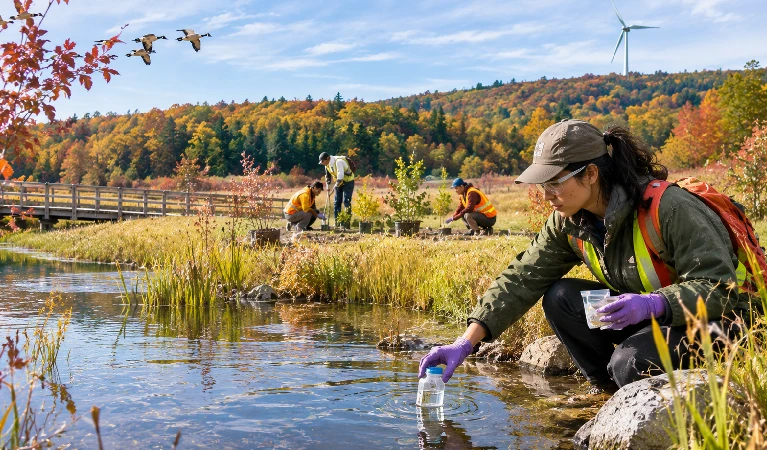
Not every environmental career takes place on a construction site or inside an office. Canada's forests, lakes, rivers, coastlines, parks, and natural habitats need ongoing care. Conservation-related work can appeal to young people who enjoy outdoor environments and want to contribute to protecting natural spaces.


Possible starting points include:

  • Trail and park maintenance
  • Tree planting and habitat restoration
  • Wildlife monitoring assistance
  • Water and soil sample collection
  • Invasive plant removal projects
  • Environmental fieldwork support

Some of these positions are seasonal, while others may be connected to longer projects. Outdoor roles can involve physical activity, travel, changing weather, and safety requirements. They can also help workers develop teamwork, observation, equipment-handling, and fieldwork skills.


Waste Reduction and the Circular Economy

Environmental employment also includes finding better ways to use materials and reduce waste. Recycling, repair, reuse, composting, and responsible resource management are important parts of a more sustainable economy.


Young job seekers may find opportunities in recycling facilities, waste collection services, repair businesses, material recovery operations, and community waste-reduction projects.


Entry-level responsibilities might include sorting materials, checking incoming items, assisting with collection operations, maintaining work areas, supporting inventory, or helping customers understand recycling and reuse options. These roles can develop practical knowledge of logistics, operations, safety procedures, and environmental practices.


Climate Adaptation Is Creating New Areas of Work

Communities across Canada are also working to prepare for environmental risks such as flooding, extreme heat, wildfires, and severe storms. Climate adaptation involves improving infrastructure, protecting natural areas, preparing emergency plans, and helping communities respond to changing conditions.


This work can involve several different occupations, including landscaping, drainage maintenance, environmental inspection, emergency support, tree management, and infrastructure maintenance.


Young people may be able to enter this area through paid internships, community projects, seasonal employment, or practical training. Some youth employment initiatives also support paid placements connected to climate action and emergency management. Job seekers should check current eligibility requirements, placement dates, and participating employers before applying.


Skills That Can Help You Enter the Environmental Workforce

You do not need to know everything about environmental science before applying for your first opportunity. Employers often look for a combination of practical abilities, reliability, and interest in learning.


Consider developing the following skills:

  • Health and safety awareness: Understanding workplace procedures is especially important in construction, outdoor work, and equipment-related roles.
  • Basic technical knowledge: Familiarity with tools, measurements, electrical concepts, equipment, or digital applications can be useful.
  • Communication: Environmental projects often involve working with supervisors, customers, contractors, and community members.
  • Problem-solving: Workers may need to identify practical ways to reduce waste, improve processes, or respond to unexpected conditions.
  • Teamwork: Many environmental projects depend on people completing different tasks safely and efficiently.
  • Adaptability: Outdoor and project-based roles can involve changing schedules, locations, and working conditions.

Short courses, introductory workshops, safety certificates, and hands-on volunteering can help demonstrate your interest. Choose training that matches the type of work you want to pursue rather than collecting qualifications without a clear goal.


Finding Paid Environmental Opportunities in Canada

Finding a first opportunity can take time, especially when you have limited work experience. A focused search can make the process more manageable.


Start by exploring job postings in your region using terms such as renewable energy assistant, environmental technician trainee, conservation worker, solar installation helper, recycling operations worker, and sustainability assistant. Search beyond major cities because conservation, infrastructure, and renewable energy projects may be located in smaller communities and rural areas.


It is also worth checking:

  • Municipal and provincial employment pages for parks, maintenance, conservation, and environmental projects.
  • Apprenticeship and trade training resources for energy-efficient construction and electrical work.
  • College and community training programs offering environmental or technical certificates.
  • Seasonal recruitment opportunities connected to parks, tree planting, land restoration, and outdoor maintenance.
  • Paid youth employment placements and internships focused on climate action or emergency preparedness.

When reviewing a position, confirm whether it is paid, what qualifications are required, where the work takes place, and whether transportation or equipment is provided. If a role requires a certificate or licence, check the exact requirement before spending money on training.


Building Experience When You Have Never Worked in the Sector

A lack of direct environmental work experience does not mean you cannot get started. Think about skills you have developed through school projects, community activities, part-time jobs, or personal interests.


For example, helping organize a community cleanup can demonstrate initiative and teamwork. Working in retail can show customer service and communication skills. Participating in a school science project may demonstrate research, observation, and data-handling abilities. Experience using tools or maintaining equipment can also be relevant to certain entry-level roles.


Include these examples on your resume and explain what you actually did. Rather than simply stating that you care about the environment, describe a practical activity that shows your interest. If possible, create a small portfolio with photographs of completed projects, relevant coursework, or examples of practical work.


When applying, tailor your resume to the position. Highlight safety awareness for field or construction roles, technical skills for equipment-related positions, and communication abilities for public-facing work. A short, clear explanation of why you are interested in the role can also help employers understand your motivation.


Making a Realistic Start in a Growing Field

Environmental employment can be rewarding, but it is important to approach it with realistic expectations. Not every green job is available in every community, and some careers require years of education, licensing, or specialized experience. Other positions may be seasonal, project-based, or physically demanding.


Before choosing a career direction, research local employers, typical job duties, wages, training requirements, and future opportunities. Speak with instructors, career advisers, apprenticeship representatives, or people already working in the field. Their experiences can help you understand what an ordinary workday looks like.


Start with an achievable next step. That could mean completing a relevant safety course, applying for a seasonal conservation position, exploring an apprenticeship, or gaining experience through a community environmental project. Small steps can help you discover which part of the sector suits your interests and abilities.


Conclusion

Canada's environmental workforce offers young people more possibilities than traditional ideas about green careers might suggest. Renewable energy, efficient construction, conservation, recycling, and climate adaptation all depend on workers with different backgrounds and skill levels.


For young Canadians looking to begin a career, the best approach is to explore the options available locally, identify the skills employers need, and build experience through practical opportunities. You do not have to begin with a perfect resume or a fully established career plan. A paid entry-level position, apprenticeship, seasonal role, or training opportunity can provide a valuable first step.


With preparation, patience, and a willingness to learn, young job seekers can find meaningful ways to contribute to Canada's environmental future while building skills for a lasting career. Exploring Youth Jobs Canada can also help you stay focused on employment opportunities and take the next step toward your goals.


Read More
Summer Hiring Starts Earlier Than You Think: Get Ready for Upcoming Student Jobs

Summer Hiring Starts Earlier Than You Think: Get Ready for Upcoming Student Jobs

By Admin

For many Canadian students, summer may feel months away, but the search for a summer job can begin well before the weather warms up. Employers, student employment programs, and seasonal businesses often plan their staffing needs in advance. Students who prepare early can give themselves more time to explore opportunities, improve their applications, and find work that fits their skills and schedules.


This autumn is an especially useful time to start planning. The application period for a federal summer employment funding program is scheduled to open for employers on October 27. Although this stage is not a direct application period for young job seekers, it signals that preparations for the next summer hiring season are already underway. Some student jobs and work placements also follow their own recruitment calendars, with applications opening well before spring.


For students, recent graduates, and young people entering the workforce, the message is simple: do not wait until summer is approaching to begin preparing. Exploring Vulnerable Youth Jobs Canada opportunities and other entry-level roles early can help you make informed choices and approach the next hiring season with greater confidence.


Why Summer Job Preparation Starts in Autumn

Summer employment can attract students, recent graduates, and other young people looking for temporary income or practical experience. Many applicants may be interested in similar positions, including jobs in recreation, tourism, retail, customer service, administration, community programs, and outdoor services.

Employers need time to decide which positions they will offer, organize staffing budgets, prepare job descriptions, and arrange recruitment. Some student employment opportunities are advertised during autumn or winter, while others appear closer to spring. Application dates can vary considerably depending on the employer, province, territory, and type of work.

Starting early gives you time to research those differences rather than rushing to apply when several opportunities appear at once. You can also identify any requirements you may need to meet, such as being enrolled in school, having specific qualifications, meeting age requirements, or being available for particular dates.

Early preparation does not guarantee a job, but it can help you avoid missing deadlines and submit stronger applications when suitable positions become available.


Understand the Difference Between Employer Funding and Job Applications

One important development this October is the upcoming application period for a federal wage-subsidy program that helps eligible employers create summer jobs for young people. The application period is scheduled to open on October 27, 2026. Eligible employers can apply for funding to support qualifying positions, but young people do not apply directly through this employer funding process.

This distinction matters because a funding announcement does not necessarily mean that individual job vacancies are already available. Employers must go through the relevant process, and approved positions need to be recruited separately. As a result, students should watch for actual job advertisements and carefully follow the instructions provided for each position.

For this particular program, summer job postings generally become available in the spring. Other student employment opportunities may open much earlier, so it is worth checking several sources instead of relying on a single program or recruitment schedule.

Use official government employment resources to understand program requirements, find participating employers when listings become available, and confirm whether a position is accepting applications. Always check the latest dates because recruitment schedules and eligibility rules can change.


Prepare Your Resume Before Job Postings Appear

A strong resume does not need to contain years of professional experience. Employers recruiting for student and entry-level roles may also consider school projects, volunteer activities, community involvement, extracurricular responsibilities, and transferable skills.

Start by creating a clear resume that includes your contact information, education, relevant experience, and skills. If you have held a part-time job, helped with a community event, supported a family business, or participated in a team activity, think about what those experiences taught you.

For example, organizing a school event may demonstrate planning and teamwork. Helping customers in a part-time role can show communication and problem-solving skills. Taking responsibility for a group project may provide evidence of organization, reliability, and cooperation.

Before applying for a specific position, review the job description and adjust your resume to highlight the most relevant experience. Keep the information accurate, use straightforward language, and check for spelling errors. Preparing a general resume now will make it easier to customize applications later.


Explore Different Types of Summer Work

Summer employment is not limited to one industry. Students can investigate several types of work based on their interests, location, qualifications, and availability.

Recreation and community services:
Community programs, camps, sports facilities, and recreational services may recruit seasonal workers to support activities, assist visitors, or help organize events. Some positions require specific training or certifications, so review each posting carefully.


Retail and customer service:
Stores and service businesses may need additional staff during busy periods. These roles can help young workers develop communication, teamwork, time management, and customer support skills.


Tourism and outdoor services:
Depending on the region, seasonal opportunities may be available in parks, visitor services, hospitality, and outdoor recreation. Applicants should consider transportation, work location, physical requirements, and seasonal schedules.


Office and administrative support:
Some employers recruit students for data entry, reception, records management, scheduling, and general administrative tasks. These roles may provide useful experience for students interested in business, public services, or professional office environments.


Research and field-based roles:
Students with relevant educational backgrounds may find opportunities connected to research, environmental projects, data collection, or technical support. Certain positions may require specific coursework, experience, or eligibility criteria.

These are examples of areas to explore, not a guarantee that vacancies will be available in every community. Check local job advertisements and make sure you meet the requirements before applying.


Create a Summer Job Search Calendar

A simple calendar can help you stay organized throughout the recruitment season. Instead of checking job listings occasionally and hoping to find something suitable, set aside time each week to review opportunities and complete specific tasks.

  • October and November: Update your resume, explore student employment resources, and make a list of employers or industries that interest you.
  • December and January: Continue checking early recruitment opportunities, prepare cover letters where needed, and research eligibility requirements for student programs.
  • February and March: Review new advertisements regularly, tailor applications to each position, and practise answering interview questions.
  • Spring: Continue applying to suitable openings, respond promptly to employers, and keep track of interview dates and application deadlines.
  • Before accepting an offer: Confirm the pay, work schedule, employment dates, location, responsibilities, and any required training.

This is a general planning guide rather than a fixed schedule for every employer. Some positions open earlier, while others recruit closer to summer. Always follow the dates in the individual job advertisement.


Make Your Applications More Competitive

When applying for summer work, focus on showing how your skills match the position. Read the job description closely and identify the qualities the employer is seeking. If reliability, customer service, teamwork, or computer skills are important, provide examples that demonstrate your abilities.

Prepare a short introduction about yourself that explains what you are studying or interested in, what skills you can offer, and why the role appeals to you. Practising this introduction can help you feel more comfortable during interviews or informal conversations with employers.

Keep a record of every application, including the position, submission date, and any follow-up instructions. Check your email regularly, including your junk folder, so you do not miss interview invitations or requests for additional information.

If you do not receive a response, do not assume that your application was unsuccessful because you lack potential. Employers may receive many applications or change their recruitment plans. Review your approach, keep applying to suitable positions, and ask a trusted adviser to provide feedback on your resume when possible.


Check Eligibility and Protect Yourself

Some student employment programs have specific requirements relating to age, citizenship or immigration status, school enrolment, residency, and legal eligibility to work. Others may require a particular qualification, driver's licence, language ability, or availability for the entire employment period.

Read eligibility details before spending time on an application. If you are unsure whether you qualify, consult the official program information or contact the relevant recruitment team for clarification.

It is also important to recognize misleading job offers. Be cautious if someone promises guaranteed employment in exchange for a fee, requests sensitive financial information before a legitimate hiring process, or provides vague details about the employer and duties. Never assume that a job is genuine simply because it appears in a message or online advertisement.

Before accepting an offer, make sure you understand the pay rate, expected hours, work location, duties, and any conditions attached to the position. If you are under the age of majority in your province or territory, check the employment rules that apply to your age and the type of work being offered.


Conclusion

Summer hiring can begin much earlier than many students expect. With employer funding applications opening in late October and some student recruitment processes already underway, autumn is a useful time to prepare for the next summer employment season.

Remember that employer funding applications and individual job applications are separate steps. While some opportunities will not appear until spring, others may be advertised during autumn or winter. Checking recruitment schedules, updating your resume, researching eligibility, and organizing a job search calendar can help you avoid missing suitable openings.

You do not need to have your entire career planned before applying for a summer job. Focus on finding a role that fits your current skills, offers fair working conditions, and gives you a chance to learn. With early preparation and a flexible approach, you can make better use of the upcoming hiring season and build experience that supports your future goals.

Read More
From Training to Paycheque: New Paid Placement Opportunities for Young Canadians

From Training to Paycheque: New Paid Placement Opportunities for Young Canadians

By Admin

Getting a first job can be challenging for young Canadians, especially when employers are looking for experience that many applicants have not yet had the chance to gain. Training can teach valuable concepts, but putting those skills into practice in a real workplace is often the next important step. Paid work placements can help bridge that gap by giving young people practical experience while earning income and exploring possible career paths.


New paid placement opportunities are becoming an important part of Canada's youth employment landscape. A recently announced initiative is designed to help young people aged 15 to 30 explore entry-level construction and skilled trades roles through paid placements lasting up to four months. These placements are expected to begin becoming available in early 2027, creating a potential pathway for young people who want to learn on the job and consider future apprenticeship opportunities.


For anyone exploring Jobs for Youth in Canada, understanding how paid placements work, what employers may expect, and how to prepare now can make it easier to take advantage of suitable opportunities when they become available.


Why Paid Work Placements Matter

Many young job seekers face a familiar challenge: employers want practical experience, but getting experience often requires finding a first opportunity. Paid placements can help solve part of this problem by combining learning with real workplace responsibilities.

Rather than relying entirely on classroom learning, participants can observe experienced workers, practise tasks under supervision, and become familiar with everyday workplace expectations. They may also develop transferable skills such as communication, teamwork, time management, problem-solving, and following safety procedures.

Being paid is another important benefit. Young people may need to cover transportation, meals, work clothing, or other expenses while gaining experience. A paid opportunity can make workplace learning more accessible than an unpaid arrangement, although the exact wages, schedule, and employment conditions will depend on the individual placement.

Paid placements do not guarantee permanent employment or an apprenticeship. However, they can help participants make informed career decisions, demonstrate their abilities, and build experience that may strengthen future applications.


What Young Canadians Should Know About New Placement Opportunities

The recently announced youth placement initiative focuses on entry-level work connected to construction and skilled trades. It is intended to help young people gain hands-on exposure to these occupations, develop practical skills, build professional connections, and explore pathways toward apprenticeships.

The planned placements may last up to four months. That period can offer a useful introduction to a workplace without requiring a young person to commit immediately to a long training pathway or long-term career decision.

There is an important detail to understand about the current application stage. The initial expression-of-interest process is for eligible organizations interested in delivering placements, rather than a direct application period for young participants. Organizations are expected to move through the selection and funding process before placements can be offered.

Young people should therefore avoid assuming that they can apply directly to this initiative immediately. Instead, they can prepare their resumes, research possible occupations, and monitor official announcements for information about participating organizations, eligibility requirements, locations, and participant application dates.


Explore Careers Before Choosing a Path

A paid placement can be particularly useful for young people who are curious about hands-on careers but are not yet sure which occupation suits them. Construction and skilled trades include a range of work environments, technical tasks, and training routes.

Construction support roles:
Entry-level exposure may help participants understand site routines, teamwork, material handling, and the importance of following instructions and safety requirements.


Equipment and technical work:
Some trades involve learning about tools, equipment, maintenance, measurements, and technical processes. A placement can help young people discover which tasks interest them and what further training may be needed.


Installation and repair:
Work related to installing, maintaining, or repairing building systems can involve practical problem-solving, attention to detail, and a willingness to keep learning.


Apprenticeship pathways:
For those who enjoy the work, a placement may provide useful context before investigating formal apprenticeship requirements. Apprenticeship routes differ by occupation and province or territory, so it is important to research the qualifications and steps for the specific trade.

These examples are areas to explore, not a guarantee that every placement will offer each type of experience. Read role descriptions carefully and ask what tasks, supervision, and training will be provided.


How to Prepare Before Applications Open

Young people do not need to wait until a placement is advertised to get ready. A few practical steps can help them respond confidently when relevant opportunities appear.

  • Prepare a simple resume: Include education, relevant courses, volunteer work, part-time employment, school projects, and practical skills. You do not need a long employment history to show reliability and a willingness to learn.
  • Research local opportunities: Explore employers, training providers, community employment services, and apprenticeship information in your province or territory.
  • Build basic workplace skills: Practise clear communication, punctuality, teamwork, following instructions, and asking questions when something is unclear.
  • Understand safety expectations: Research the importance of workplace safety and be prepared to follow training and instructions. Do not attempt tasks that require qualifications or supervision you do not have.
  • Check eligibility and requirements: When participant opportunities are announced, review age requirements, location, availability, transportation needs, and any required documents.
  • Keep application information organized: Maintain an updated resume and a list of relevant experience so you can tailor applications to each opportunity.

These steps can also help with other entry-level jobs if a placement is not available nearby or does not match your interests.


Make the Most of a Placement

Once accepted into a paid placement, approach it as an opportunity to learn as well as earn. Arrive on time, listen carefully, follow workplace procedures, and ask for clarification when needed. Supervisors do not expect a beginner to know everything, but they may value a person who takes feedback seriously and shows steady improvement.

Keep track of the skills you practise and the responsibilities you take on. For example, you might learn to use particular tools safely under supervision, follow a work schedule, communicate with a team, or understand how a project moves from one stage to another. These examples can later help you describe your experience in interviews and on your resume.

It is also sensible to ask about the next steps for people who want to continue in the field. A supervisor or career adviser may be able to explain relevant training, apprenticeship requirements, or other entry-level roles. Treat this information as a starting point and verify any formal requirements with the appropriate provincial or territorial authority.


Look Beyond One Program

Not every young person will find a suitable placement through a single initiative, and opportunities may differ by region. If the new placements do not fit your circumstances, consider other paid entry-level roles, student work placements, community employment services, or legitimate training programs that combine learning with work experience.

Check whether a program is accepting applications from individuals or only from organizations. Confirm the eligibility criteria, pay arrangements, expected hours, location, and support available before committing. Be cautious of anyone who asks you to pay a fee simply to secure a job or promises guaranteed employment without a credible process.

Flexibility can help, but it should not mean accepting unsafe conditions or unclear terms. A worthwhile placement should provide a clear explanation of the work, appropriate supervision, and information about how participants will be paid.


Conclusion

Paid work placements can offer young Canadians a practical bridge between training and employment. By providing hands-on experience, workplace skills, and an opportunity to explore a career, they can help participants make more informed decisions about their future.

New placements connected to construction and skilled trades are expected to become available in early 2027, but the current application process is focused on organizations that will deliver them. Young people can use this time to prepare a resume, research career options, strengthen basic workplace skills, and watch for official updates about participant applications.

Your first opportunity does not need to determine your entire career. It can simply be a starting point: a chance to learn, earn, gain confidence, and discover what you want to pursue next. With preparation and a willingness to learn, a paid placement can become a valuable step toward a more secure and rewarding working future.

Read More